
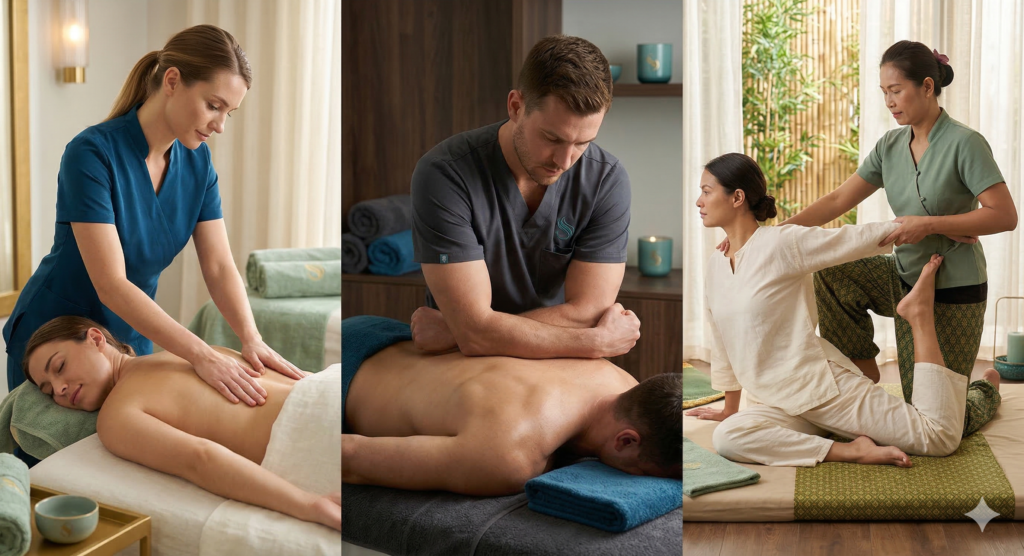
Stuck in Bangalore traffic after a 10-hour workday, shoulders hunched over your steering wheel, you finally make it home to Koramangala. Your back aches, your neck feels like concrete, and you know you desperately need a massage. But when you search for types of massage Bangalore online, you’re overwhelmed with options. Swedish, Deep Tissue, Thai, Hot Stone—the list goes on. Which one is actually right for you?
You’re not alone in this confusion. Most first-time spa visitors at Southern Spa in Madiwala ask us the same question: “What’s the difference, and which massage should I book?” The truth is, choosing the wrong massage modality can leave you disappointed or even uncomfortable. But picking the right one? That’s when the magic happens—when tension melts away, pain decreases, and you walk out feeling like a new person.
In this comprehensive guide, we’ll break down the three most popular massage modalities available at wellness centers across Bangalore. You’ll learn exactly what happens during each session, who benefits most from each technique, and most importantly, how to choose the perfect massage therapy for your specific needs. By the end, you’ll be equipped to make a confident decision and book your ideal treatment at Market Square Mall in Madiwala.
Understanding the Three Major Massage Modalities
When you walk into a spa, you’re essentially choosing between different therapeutic touch methods, each designed with specific goals in mind. Think of massage types like different workout styles—yoga serves a different purpose than weight training, right? The same principle applies to bodywork techniques. Swedish massage focuses on circulatory enhancement and relaxation, Deep Tissue targets myofascial connectivity and chronic muscle tension, and Thai massage emphasizes flexibility improvement and range of motion.
The foundation of any good massage experience starts with understanding pressure gradients. Some people need gentle, flowing movements that calm the nervous system. Others require firmer muscle fiber manipulation to break up adhesions and release trigger points. And some bodies crave dynamic stretching combined with compression. There’s no “best” massage—only the best massage for YOU at this particular moment in your wellness journey.
At Southern Spa, we’ve noticed an interesting pattern among our clients in the Madiwala and Koramangala neighborhoods. Tech professionals often come in requesting Deep Tissue massage therapy for their chronic upper back tension from desk work. Young families prefer Swedish massage technique for pure stress relief after managing work-life balance. Fitness enthusiasts and yoga practitioners gravitate toward Thai traditional massage to complement their active lifestyles. Your lifestyle, current physical condition, and wellness goals should guide your choice.
Before we dive into the specifics, let’s establish one crucial point: all three massage styles offer legitimate therapeutic benefits. This isn’t about one being “better” than the others. It’s about matching the right healing massage style to your body’s current needs. If you’re still unsure whether you even need massage therapy, check out our guide on 7 Signs You Need a Stress Relief Massage (And Where to Get One in Madiwala) to identify your stress signals.
Swedish Massage: The Foundation of Relaxation Therapy
Swedish massage is the most widely recognized massage modality worldwide, and for good reason. This gentle approach uses five basic strokes—effleurage (gliding), petrissage (kneading), tapotement (rhythmic tapping), friction, and vibration—to create a deeply calming experience. When you book a Swedish massage Koramangala session at Southern Spa, you’re choosing the classic relaxation therapy that has stood the test of time.
The pressure level in Swedish massage typically ranges from light to medium. Your therapist uses long, flowing strokes that follow the direction of blood flow toward the heart. This technique enhances lymphatic drainage and improves tissue elasticity without causing discomfort. Most clients report feeling relaxed within the first ten minutes, as the parasympathetic nervous system activates and stress hormones begin to decrease. It’s the massage equivalent of a warm hug—comforting, safe, and nurturing.
Swedish massage works best for specific situations and people. If you’re dealing with general stress from Bangalore’s fast-paced lifestyle, feeling mentally overwhelmed, or simply need to unwind after a hectic week, this is your go-to choice. It’s particularly beneficial for first-time spa visitors who aren’t sure about their pressure tolerance yet. New mothers, people recovering from illness, and anyone seeking better sleep quality also find tremendous value in Swedish technique. The gentle approach means you can enjoy the therapeutic benefits without next-day soreness.
During a typical 60-90 minute Swedish session at our Madiwala wellness center, you’ll lie on a comfortable massage table draped with soft linens. You’ll undress to your comfort level (most people wear just underwear, but you’re always completely covered except for the area being worked on). The therapist uses warm massage oil or lotion to reduce friction, and you can request adjustments to pressure, temperature, or focus areas anytime. Many clients drift into a light sleep—that’s completely normal and actually a sign that your nervous system is successfully relaxing.
Deep Tissue Massage: Therapeutic Muscle Treatment for Chronic Pain
Deep Tissue massage takes a completely different approach. This technique targets the deeper layers of muscle and connective tissue using slow, deliberate strokes with significantly more pressure. When you book a Deep tissue massage Madiwala appointment, you’re investing in serious muscle treatment options designed to address chronic pain patterns, not just temporary relaxation. This is therapeutic bodywork with a specific clinical purpose.
The pressure level in Deep Tissue work ranges from medium-firm to very firm, depending on your tolerance and the therapist’s assessment. Unlike the flowing, full-body approach of Swedish massage, Deep Tissue focuses on problem areas—that stubborn knot between your shoulder blades, the tight IT band from running, or chronic lower back tension from sitting all day. Your therapist uses forearms, elbows, knuckles, and specialized tools to slowly sink into muscle layers, releasing adhesions and breaking up scar tissue that restricts movement.
Deep Tissue massage is ideal for athletes, people with physically demanding jobs, and anyone dealing with chronic pain conditions. If you’ve been suffering with tension headaches, frozen shoulder, sciatica, or persistent muscle tightness that gentle massage doesn’t touch, this modality can offer real relief. It’s also excellent for postural problems common among IT professionals in Bangalore who spend 8-10 hours daily at computers. The technique addresses muscle fiber manipulation at a level that actually changes tissue quality over time.
However, Deep Tissue isn’t for everyone, and timing matters. If you’re experiencing acute injury (within the first 48-72 hours), dealing with inflammation, pregnant, or new to massage, this probably isn’t your starting point. Some discomfort during the session is normal—we call it “good pain” or therapeutic discomfort—but it should never feel unbearable. Communication with your therapist is essential. At Southern Spa, our professionally trained therapists constantly check in with clients to ensure the pressure stays within the therapeutic zone without crossing into causing harm.
One common misconception we address frequently: Deep Tissue doesn’t automatically mean painful. Some people assume that “no pain, no gain” applies to massage. That’s not accurate. Effective Deep Tissue work finds the sweet spot where you feel intensity and pressure, but your body doesn’t tense up in defense. When muscles contract against the pressure, the treatment becomes counterproductive. This is why choosing experienced therapists matters—they know how to work deeply without triggering your body’s protective response. For more detailed information about whether this modality suits your specific back pain, read our article Deep Tissue Massage: Is It Right for Your Chronic Back Pain?
What should you wear? Similar to Swedish massage, you’ll undress to your comfort level, though Deep Tissue work may require the therapist to access specific areas more directly. The session typically lasts 60-90 minutes, though some clients with multiple problem areas book 90-120 minute appointments. You might feel slightly sore the next day, similar to post-workout soreness, which is normal as your body processes the tissue changes. Drinking plenty of water after your session helps flush metabolic waste released during the treatment.
Thai Massage: Ancient Stretching Techniques for Flexibility
Thai traditional massage is the outlier in this comparison—it’s fundamentally different from both Swedish and Deep Tissue approaches. Sometimes called “lazy yoga” or “assisted stretching,” Thai massage combines compression, acupressure, and passive stretching to improve flexibility, energy flow, and range of motion. This ancient healing tradition from Thailand has gained popularity in Bangalore’s wellness centers because it addresses modern sedentary lifestyle issues so effectively.
The pressure level in Thai massage varies throughout the session. Unlike oil-based table massages, Thai massage happens on a comfortable mat on the floor, and you remain fully clothed in loose, comfortable attire. Your therapist uses their hands, thumbs, elbows, knees, and feet to apply rhythmic compression along energy lines in your body. Then comes the distinctive element: assisted stretching where the therapist gently moves your body into various yoga-like positions, stretching muscles and joints beyond what you could achieve alone.
Thai massage excels for people seeking flexibility improvement, particularly yoga practitioners, dancers, runners, and anyone who feels “stiff” or restricted in their movements. If you struggle to touch your toes, feel tight in your hips from sitting, or want to maintain mobility as you age, Thai massage addresses these issues directly. It’s also excellent for energizing your body—unlike Swedish massage that often leaves you sleepy, Thai massage typically leaves clients feeling invigorated and loose. The combination of compression and stretching improves circulation, releases joint restrictions, and enhances tissue elasticity throughout the body.
The experience at Southern Spa differs noticeably from Swedish or Deep Tissue sessions. You’ll wear loose, comfortable clothing—think yoga pants and a t-shirt rather than undressing. The therapist guides you through a choreographed sequence, moving your body into positions while you remain passive and relaxed. You might find yourself folded forward over straight legs, in a reclined twist, or with your leg gently pressed toward your chest. The therapist uses their body weight for leverage, creating stretches that feel deeper than anything you could achieve stretching solo.
Communication remains important here too. Thai massage should feel intense and stretchy, but never painful. If a position feels wrong or too intense, speak up immediately. Flexibility varies dramatically between individuals, and skilled Thai massage therapists adapt to your current range of motion. Some positions might feel challenging while others feel wonderful—that’s normal and actually provides valuable information about where your body holds tension. The session typically lasts 60-90 minutes, and many clients schedule regular appointments to progressively improve their flexibility over time.
For a deeper understanding of how Thai massage differs from standard table massages, check out Thai Massage vs Regular Massage: Understanding the Stretching Difference. This comparison will help you set realistic expectations before your first session.
Side-by-Side Comparison: Finding Your Perfect Match
Let’s break down the key differences in a clear comparison table so you can quickly identify which massage modality aligns with your needs:
| Feature | Swedish Massage | Deep Tissue Massage | Thai Massage |
|---|---|---|---|
| Pressure Level | Light to medium | Medium-firm to very firm | Variable (compression + stretch) |
| Primary Goal | Relaxation, stress relief | Chronic pain relief, muscle repair | Flexibility, energy flow, mobility |
| Best For | General stress, first-timers, sleep issues, mental relaxation | Chronic pain, athletes, postural problems, specific injuries | Stiffness, limited mobility, active individuals, energizing |
| Typical Duration | 60-90 minutes | 60-120 minutes | 60-90 minutes |
| What to Wear | Undress to comfort (underwear); fully draped | Undress to comfort (underwear); fully draped | Loose, comfortable clothing |
| Oil Used | Yes, warm massage oil | Yes, massage oil or cream | No oil; performed clothed |
| Where Performed | Massage table | Massage table | Floor mat |
| After-Session Feeling | Relaxed, often sleepy | May feel tender; therapeutic soreness possible | Energized, loose, mobile |
| Ideal Frequency | Weekly to monthly for maintenance | Every 2-4 weeks for chronic issues | Weekly to bi-weekly for flexibility goals |
| Not Recommended For | Those needing deeper therapeutic work | Acute injury, inflammation, pregnancy (without clearance) | Recent surgery, severe osteoporosis, pregnancy (certain positions) |
This comparison reveals something important: these aren’t interchangeable massage types. They serve different purposes. Understanding these distinctions prevents the common mistake of booking Swedish massage when you actually need Deep Tissue work, or expecting Deep Tissue to feel as relaxing as Swedish. Managing expectations leads to better outcomes and higher satisfaction.
The Decision Tree: If You Have X, Choose Y
Still feeling uncertain? Use this practical decision tree to narrow down your best option:
If you’re experiencing…
- Mental stress, anxiety, or feeling overwhelmed: Choose Swedish massage for nervous system calming
- Chronic pain in specific areas (back, neck, shoulders): Choose Deep Tissue massage for targeted muscle work
- General stiffness or limited range of motion: Choose Thai massage for flexibility improvement
- Poor sleep quality or racing thoughts: Choose Swedish massage for relaxation therapy
- Sports injury or athletic training: Choose Deep Tissue or Signature Sports Massage (specialized option at Southern Spa)
- Sedentary lifestyle with tightness in hips/hamstrings: Choose Thai massage for mobility work
- First-time spa visitor, unsure of pressure preference: Start with Swedish massage, then explore others
- Tension headaches or jaw clenching: Choose Deep Tissue with focus on upper body and TMJ work
- Post-workout soreness: Choose Swedish massage for recovery or Thai massage for stretching
- Need energy boost: Choose Thai massage for invigoration
If you prefer…
- Quiet, meditative experience where you might fall asleep: Swedish massage
- Therapeutic work that addresses specific problem areas: Deep Tissue massage
- Active, dynamic session with movement: Thai massage
- Being fully draped and modest: Swedish or Deep Tissue
- Remaining clothed during treatment: Thai massage
This framework helps eliminate the guesswork. Of course, you can also consult with the professional therapists at Southern Spa when booking. Simply describe your symptoms, goals, and preferences, and they’ll recommend the most appropriate modality. Sometimes the best answer is combining techniques—starting with Swedish to relax the nervous system, then incorporating some Deep Tissue work on problem areas.
Southern Spa’s Specialized Massage Offerings in Madiwala
At Southern Spa, conveniently located at Market Square Mall in Madiwala, we’ve designed our massage menu to serve the diverse needs of Bangalore residents. Our professional therapists undergo extensive training in multiple massage modalities, ensuring you receive authentic, high-quality treatments whether you choose Swedish, Deep Tissue, Thai, or one of our signature combinations.
Our Classical Swedish Massage provides the traditional relaxation therapy experience with warm aromatic oils, adjustable pressure, and focus on stress relief. We’ve refined this service specifically for the urban professional dealing with Bangalore’s demanding work environment. Most clients book this service for pure mental relaxation and improved sleep quality.
The Deep Tissue Massage at Southern Spa addresses chronic pain patterns we see frequently among tech professionals and manual laborers alike. Our therapists understand the postural issues created by prolonged sitting and screen time. They combine trigger point release techniques with slow, sustained pressure to address those stubborn knots between your shoulder blades and along your spine. This isn’t generic massage—it’s targeted muscle treatment designed to change tissue quality over repeated sessions.
For those seeking Thai Traditional Massage, we offer authentic floor mat sessions that honor the ancient healing tradition while adapting to modern bodies. Our Thai massage specialists understand how to work with varying flexibility levels, ensuring everyone from yoga teachers to office workers benefits from the stretching techniques. The experience leaves you feeling longer, looser, and more mobile.
Beyond these three main modalities, Southern Spa offers specialized treatments including Classical Abhyanga (Ayurvedic oil massage), Signature Sports Massage for athletes, and customized combination sessions. Many regular clients start with one style, then explore others as their wellness needs evolve. That’s the beauty of having multiple massage options available at one location—you can match the treatment to your current needs.
The hygienic environment, professional atmosphere, and personalized care at our Madiwala wellness center ensures you feel comfortable from the moment you arrive. We maintain strict cleanliness protocols, use high-quality oils and linens, and respect your privacy throughout the session. Our goal isn’t just to provide a massage—it’s to create a healing experience that improves your quality of life.
Ready to experience the difference? Book your preferred massage modality at Southern Spa by calling us directly or sending a WhatsApp message. Our team will help you schedule a convenient appointment time and answer any questions about what to expect during your first visit.
What to Expect During Your First Session
Walking into a spa for the first time can feel intimidating, especially if you’re unsure about the process. Let’s demystify what happens during a typical massage appointment at Southern Spa so you feel confident and prepared.
Before Your Appointment: Arrive 10-15 minutes early to complete a brief health questionnaire. This form asks about medical conditions, current pain areas, pressure preferences, and allergies. This information helps your therapist customize the session to your needs and ensure safety. Avoid eating a heavy meal within 90 minutes of your appointment—a light snack is fine, but a full stomach can feel uncomfortable when lying face-down.
Intake Conversation: Your therapist will review your questionnaire and ask clarifying questions. This is your opportunity to describe exactly what’s bothering you—point to the specific spot in your shoulder, mention that your lower back has been tight for months, or explain that you’re here purely for stress relief. Don’t be shy about communication. The more specific you are, the better your therapist can target the session to your needs. This is also when you’ll discuss pressure preference and any areas to avoid.
The Treatment Room: Your therapist will step out while you undress to your comfort level and settle onto the table under the sheet. For Swedish and Deep Tissue, most people remove all clothing except underwear, but you choose what feels right. You’re completely draped at all times except the area being worked on. For Thai massage, you’ll change into comfortable, loose clothing we provide. The room will be warm, dimly lit, and quiet—designed to help you relax immediately.
During the Session: Your only job is to relax and communicate if needed. Some people chat with their therapist; others prefer silence. Both are perfectly fine. If pressure feels too light or too firm, speak up. If you need to adjust your position, use the restroom, or simply take a deep breath because a particularly tight area is being worked on, that’s all normal. Professional therapists want you to communicate—it helps them do better work. Your body may respond with deep breathing, emotional release (some people cry when tension releases), or falling asleep. All normal responses.
After the Session: Your therapist will step out again while you get dressed. You might feel slightly disoriented or “floaty” after deep relaxation—that’s normal. Drink the water offered to help flush metabolic waste. Your therapist may suggest stretches, self-care techniques, or schedule recommendations for ongoing issues. Pay at reception, and don’t rush out immediately if you don’t have to. Give yourself a few minutes to reorient before diving back into Bangalore traffic.
Post-Massage Care: Drink plenty of water over the next 24 hours. You might feel somewhat tired or slightly sore (especially after Deep Tissue work)—this is your body processing the changes. Avoid intense exercise immediately after deep massage work. Take a warm bath if you feel sore. Most importantly, pay attention to how your body feels over the following days. This information helps you decide whether this massage modality worked well for you or if you should try a different approach next time.
Common Myths About Massage Therapy Debunked
Let’s address some persistent misconceptions that prevent people from getting the massage treatment they actually need.
Myth #1: “Massage is just a luxury, not real healthcare.”
Reality: While massage certainly feels luxurious, substantial research supports its therapeutic benefits. Studies show massage reduces cortisol levels, decreases pain perception, improves circulation, and enhances tissue repair. Many physical therapists and doctors now recommend massage as part of comprehensive pain management programs. It’s a wellness investment, not just an indulgence.
Myth #2: “More pressure equals better results.”
Reality: As we discussed earlier, effectiveness depends on matching technique to need. Sometimes gentle Swedish massage creates better outcomes than aggressive Deep Tissue work. Excessive pressure can cause your muscles to contract defensively, actually preventing the therapeutic effects you want. The goal is appropriate pressure for your specific tissue condition and tolerance.
Myth #3: “Massage will fix my problem in one session.”
Reality: While some people experience significant relief after a single session, chronic conditions developed over months or years typically require multiple treatments to resolve. Think of massage like physical therapy—consistency matters. Most therapists recommend a treatment plan (weekly sessions for several weeks, then spacing out as the condition improves) for chronic issues rather than expecting instant permanent fixes.
Myth #4: “I’m too out of shape/inflexible/heavy to get a massage.”
Reality: Massage therapy is for every body type, fitness level, and flexibility degree. Professional therapists work with diverse clients daily and adapt techniques accordingly. You don’t need to be in perfect shape to deserve bodywork—in fact, people dealing with physical limitations often benefit most from appropriate massage therapy.
Myth #5: “Thai massage is painful because of all the stretching.”
Reality: When performed correctly, Thai massage should feel intense but never painful. The stretching happens gradually, respecting your current range of motion. You control the experience through communication with your therapist. Don’t let fear of discomfort prevent you from experiencing this unique modality.
Final Thoughts
Choosing between Swedish, Deep Tissue, and Thai massage doesn’t have to feel overwhelming anymore. You now understand that Swedish massage offers gentle relaxation therapy perfect for stress relief, Deep Tissue provides targeted muscle treatment for chronic pain, and Thai massage delivers flexibility improvement through assisted stretching. Each modality serves a distinct purpose, and the “right” choice depends entirely on your current needs, not some universal standard.
The beautiful truth about exploring different types of massage Bangalore wellness centers offer is that you’re not locked into one choice forever. Your body’s needs change with seasons, stress levels, activity, and life circumstances. Maybe this month you need the mental reset of Swedish massage after a project deadline. Next month, that shoulder pain flares up and Deep Tissue becomes the priority. Three months from now, you’re training for a marathon and Thai massage helps maintain flexibility. Wellness isn’t static, and neither should your approach to bodywork be.
At Southern Spa in Madiwala, we’re here to guide you through these choices with professional expertise and genuine care. Whether you’re a first-time visitor nervous about the process or an experienced spa-goer exploring new modalities, our team creates a comfortable, judgment-free environment where your wellness goals take center stage. We invite you to experience the difference that properly matched massage therapy makes in your quality of life.
Ready to book your perfect massage? Visit Southern Spa at Market Square Mall, Madiwala, or contact us via WhatsApp or phone to schedule your appointment. Your body has been asking for this relief—it’s time to listen.
Frequently Asked Questions
What’s the difference between Swedish massage and Deep Tissue massage in Bangalore spas?
Swedish massage uses light to medium pressure with flowing strokes designed for relaxation and stress relief. Deep Tissue massage applies firm, sustained pressure to reach deeper muscle layers and address chronic pain or injury. Swedish focuses on overall relaxation; Deep Tissue targets specific problem areas with therapeutic intent.
How do I know which massage modality is right for my chronic back pain?
If your back pain is chronic (lasting more than 3 months), localized to specific areas, and caused by muscle tension or postural issues, Deep Tissue massage typically provides the most targeted relief. However, if your pain is widespread, related to stress, or accompanied by nervous system sensitivity, Swedish massage might be more appropriate. A consultation with Southern Spa’s therapists can provide personalized recommendations based on your specific condition.
Can I combine different types of massage in one session?
Absolutely! Many clients at Southern Spa request combination sessions—perhaps Swedish massage for the first 30 minutes to relax the nervous system, followed by focused Deep Tissue work on problem areas for the remaining time. Discuss your goals with your therapist during the intake conversation, and they’ll design a customized treatment incorporating multiple techniques.
Is Thai massage suitable for people with limited flexibility?
Yes, Thai massage works beautifully for people with limited flexibility—in fact, that’s often why people seek it out. Your therapist will meet you where your body currently is, working within your comfortable range of motion. Over repeated sessions, most people notice gradual flexibility improvement. The stretches are passive (you don’t do the work), making them accessible even for people who find active stretching difficult.
How often should I get massage at Southern Spa in Madiwala for optimal wellness benefits?
Frequency depends on your goals. For stress management and general wellness, monthly sessions work well for most people. If you’re addressing chronic pain or working on specific issues, weekly or bi-weekly sessions typically produce better results initially, then transitioning to maintenance schedule once improvements stabilize. Athletes often benefit from bi-weekly massage during training periods. Your therapist can recommend an appropriate schedule during your first consultation.